Private label
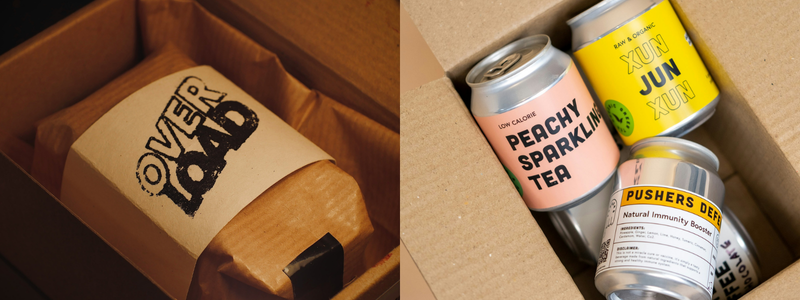
- Choose a Product Category: Focus on a specific category such as snacks, sauces, baked goods, beverages, or spices. Start with a small product line and expand once you gain traction.
- Identify a Co-Packer or Commercial Kitchen: Private label businesses typically partner with a manufacturer (co-packer) that handles production under your brand. Alternatively, use a licensed commercial kitchen if you plan to produce items yourself. Ensure facilities are inspected and approved for food production.
- Understand Labeling Requirements: Labels must include a full ingredient list, net weight, allergens, nutritional information (if applicable), and a “manufactured by” or “distributed by” statement. The design should be attractive but also compliant with FDA and state regulations.
- Packaging Considerations: Select packaging that preserves freshness, is food-safe, and suits your brand identity. Eco-friendly and resealable options can appeal to modern consumers.
- Register Your Business and Products: You may need to register as a food manufacturer and file product details with your state’s health department. If you operate from home, verify whether cottage food laws apply or if you're required to use a certified kitchen.
- Sales Channels: Sell through online stores, local grocers, farmers markets, or specialty shops. Build relationships with local retailers and consider e-commerce platforms for broader reach.
- Insurance and Risk Management: Get product liability insurance. It protects you in case of claims related to allergic reactions, contamination, or improper labeling.
- Test and Scale Responsibly: Start with small test batches and collect feedback before investing in larger production runs. Maintain detailed records for traceability and recall readiness if ever needed.